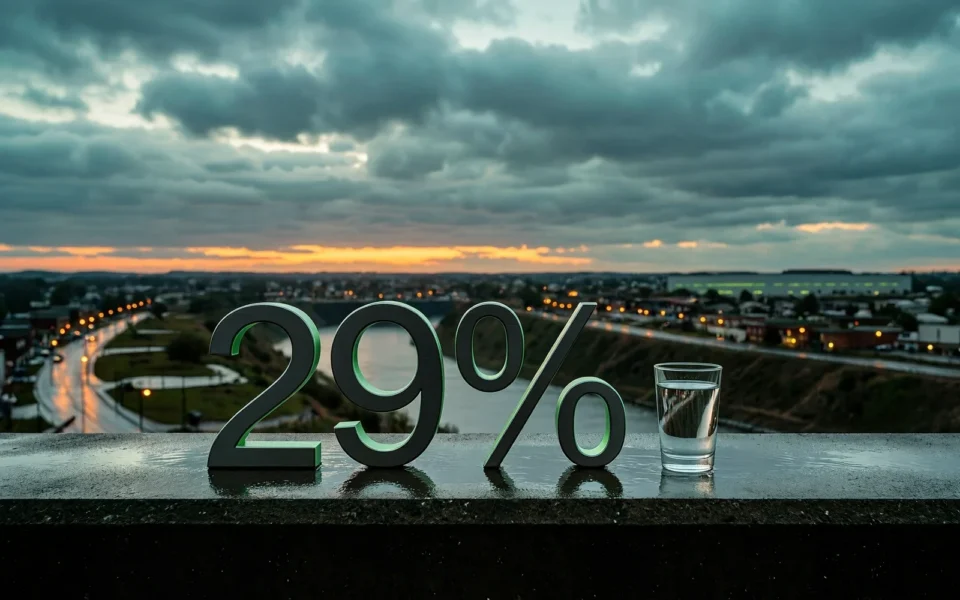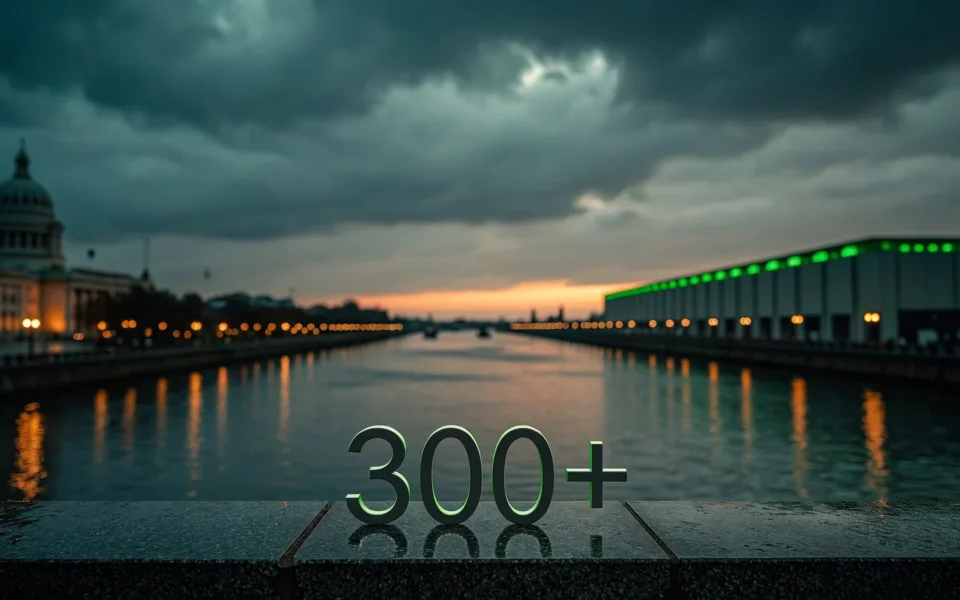
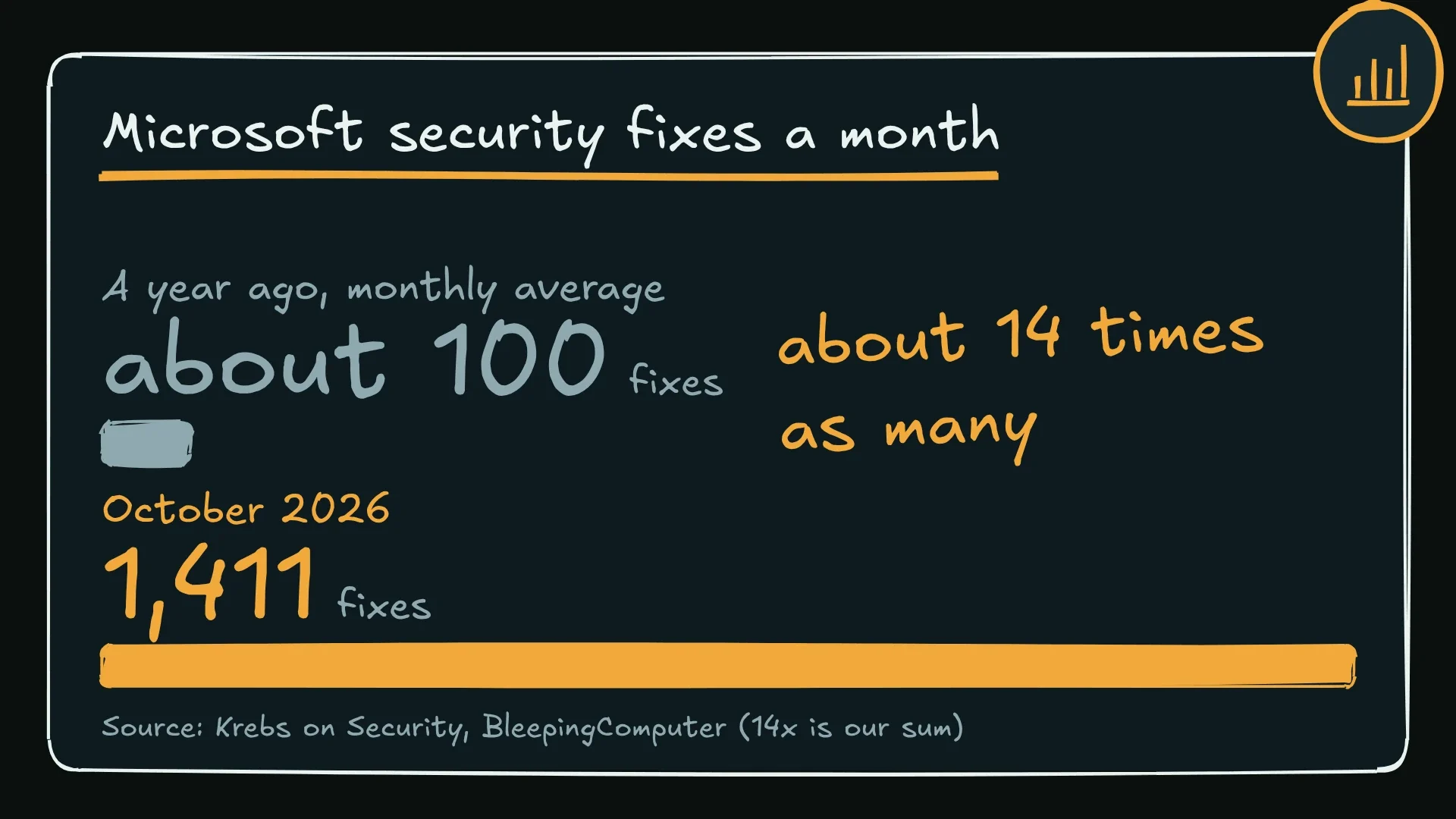
Microsoft fixed a record 1,411 security flaws in October. A year ago it averaged about 100 a month, Krebs on Security reports, so by our own division the October load was roughly 14 times heavier.
That pace is the explanation officials are floating for a bad week in US systems. Microsoft 365 was down for almost 24 hours, the FAA grounded flights nationwide, Chase’s online banking failed and an NSA classified network went offline. Sen. Mark Warner, vice chair of the Senate intelligence committee, says AI is exposing flaws so fast that companies and agencies are forced to patch everything at once. Director of National Intelligence Jay Clayton blamed patching for the NSA outage.
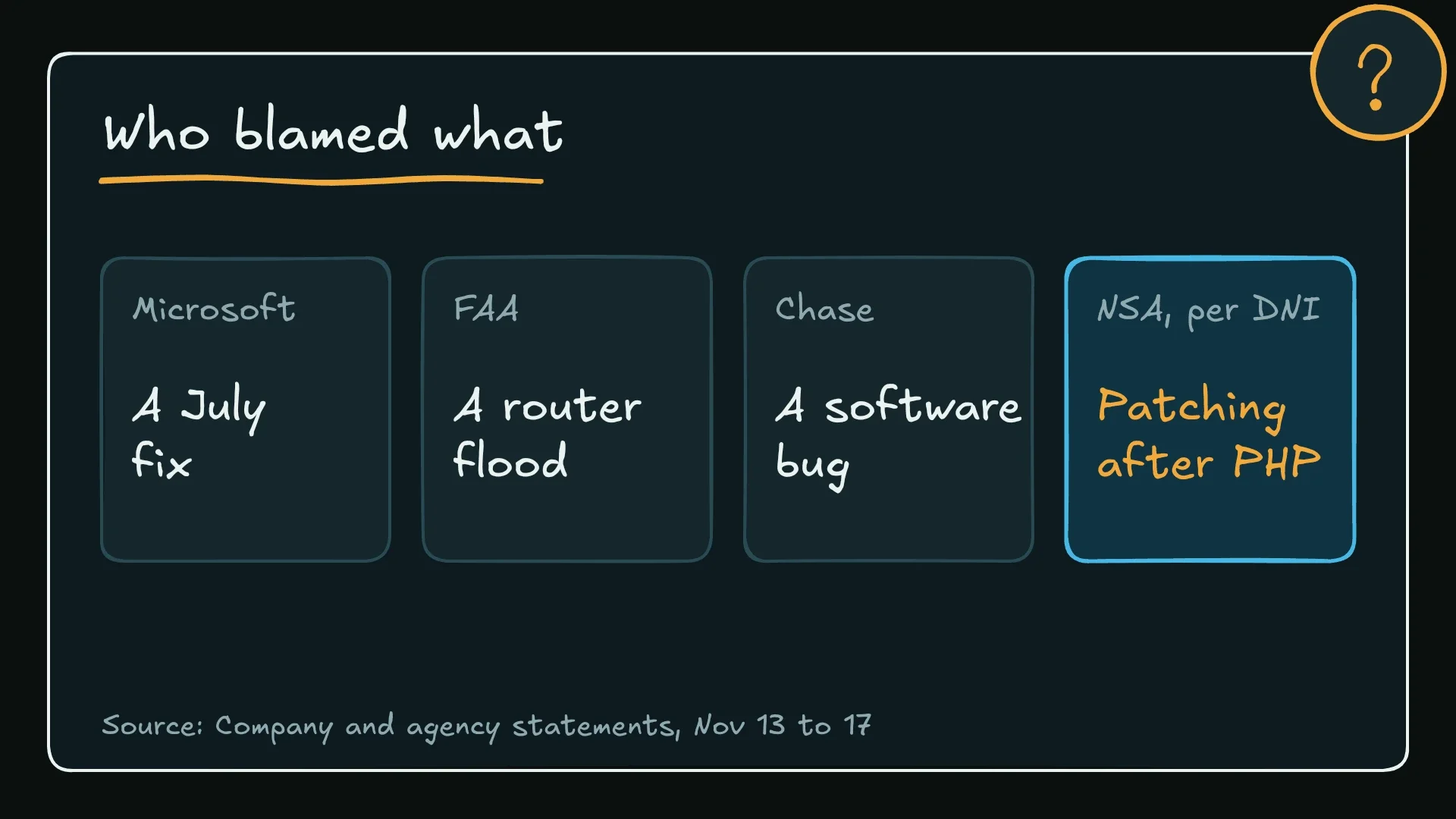
The organizations involved offer four different causes. Of the four, only the NSA outage has a sitting official naming patching as the cause, and the NSA’s own statement says scheduled maintenance.
In this piece:
- Six days, four outages
- Microsoft: a July fix and a failover
- The FAA: a flood of connection attempts
- Chase, Apple and the NSA
- Why officials point at patching
- What the evidence doesn’t show
- What IT teams can do
Six days, four outages
Six days, four outages
The run began on Thursday, November 12 and ended on Tuesday, November 17. On paper each outage has its own cause. They landed close enough together that people started asking whether one thing connected them.
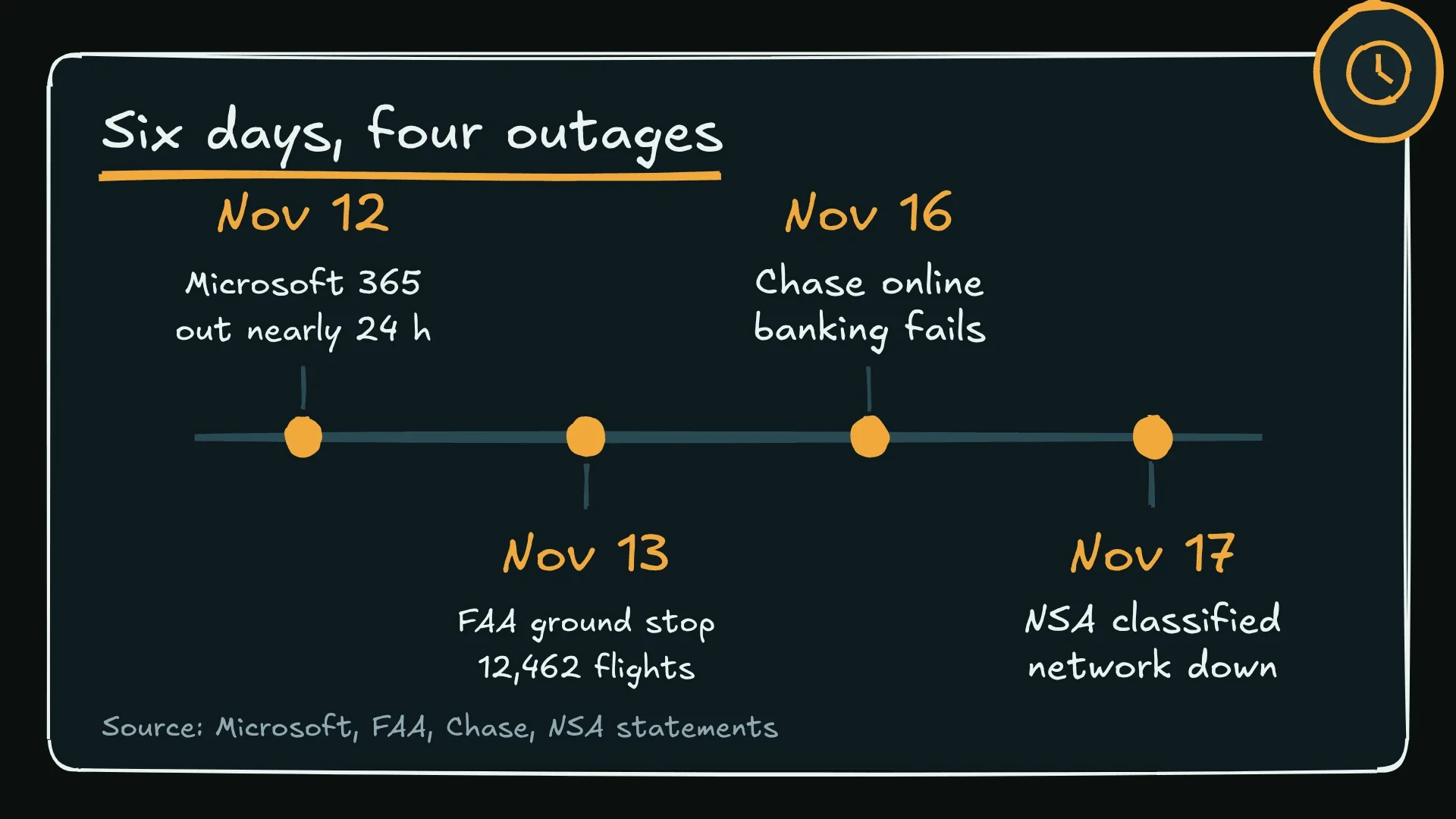
| Date | Who | What happened | How long | Cause as stated |
|---|---|---|---|---|
| Nov 12 to 13 | Microsoft 365 | Email, Teams and Copilot down | 23 hours 50 minutes | A latent defect in a July fix, a Teams failover and lost capacity |
| Nov 13 | FAA | Nationwide ground stop | About 3:30 p.m. to 8:15 p.m. ET | Legacy equipment flooded with connection attempts after a router change |
| Nov 16 | Chase | Customers had trouble reaching their accounts | Back to normal that evening | “A software bug in on-premise hardware systems” |
| Nov 17 | Apple | Apple Pay, iCloud and apps disrupted | Working normally by early evening | “An internal update” |
| Nov 17 | NSA | Classified network NSANet degraded | Not stated | Scheduled routine maintenance (the NSA); patching after a PHP flaw (Clayton) |
Cybersecurity journalist Nicole Perlroth listed the same four in a post on X on November 17. “We need far more analysis of why so much is breaking at once,” she wrote. Her thread goes on to make claims about attacker speed and tooling that we haven’t verified, so we don’t repeat them here.
Two days later the Associated Press put the same question in a headline: “Tech outages are piling up, and AI is raising the stakes. Could this be the new normal?”
Microsoft: a July fix and a failover
Microsoft’s preliminary report puts the outage at 4:20 p.m. UTC on November 12 to 4:10 p.m. UTC on November 13, or 23 hours and 50 minutes. The BBC reported it reached at least 70 countries and that more than 430 million people use the affected products.
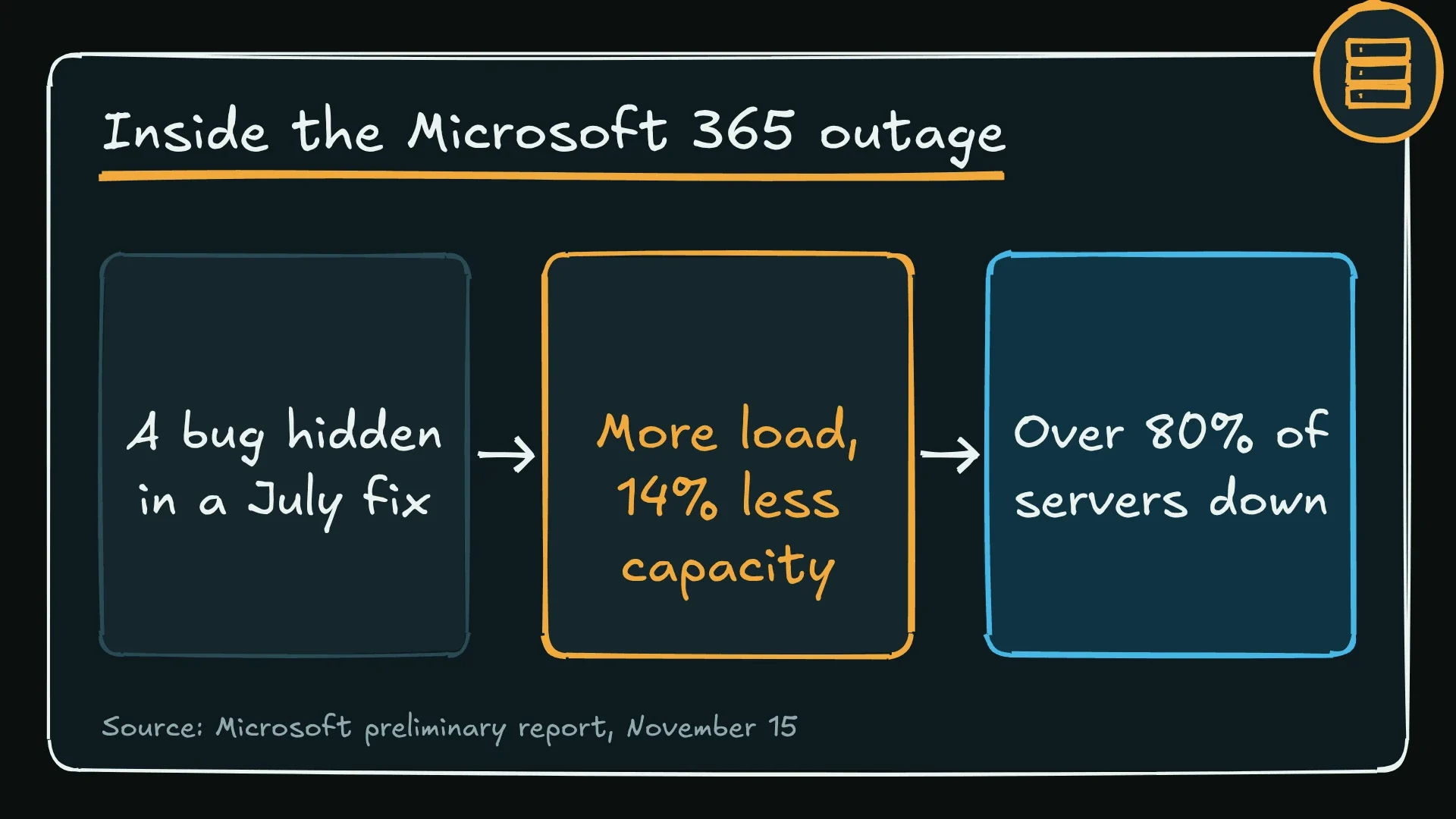
The report names three factors. The first is a defect in a fix that had been rolling out to the gateway servers behind Microsoft 365 since July. It went unnoticed for more than three months. Microsoft says its load testing missed it because the tests “tended to focus on weaker hardware with fewer cores,” and the problem is worse on newer machines.
The second is a Teams failover about 15 hours earlier, which sent more traffic to the gateway that also carries Exchange Online. The third is that nearly 14% of the gateway’s server capacity was already out of service for an unrelated reason. Together they tipped it over. Traffic from failed servers moved to healthy ones, which hit the same bug, and at the lowest point more than 80% of the servers were unresponsive.
The fix was slow because the defect was months old. Microsoft says its usual rollback and feature-flag tools couldn’t quickly revert it, and its automated recovery wasn’t built to restore service from that state. Engineers wrote an update that returned the code to its previous state, then took servers out of service in groups, applied it and restarted them, sometimes more than half a region at a time. Teams, OneDrive and SharePoint could move off the faulty gateways sooner. Exchange Online couldn’t, for scale reasons, so email was down longest.
Microsoft’s November 13 statement called it “a technical issue not related to cyber or AI / agents.” A bad update is the kind of failure Warner and Clayton describe, but Microsoft doesn’t link this one to the AI-driven patch surge.
PDF 365fanatic.com
DownloadThe FAA: a flood of connection attempts
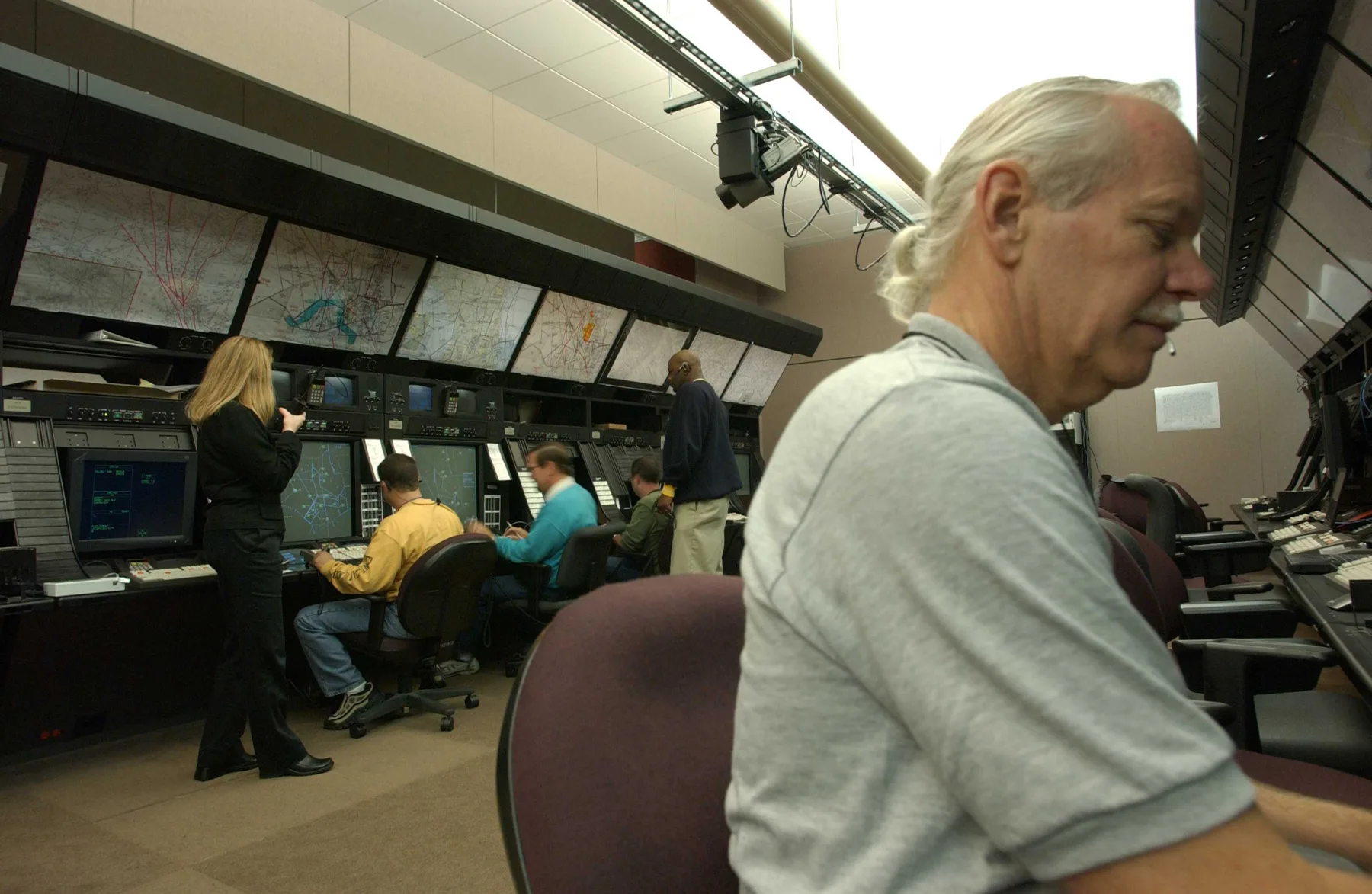
The FAA ordered the ground stop at about 3:30 p.m. ET on November 13 and said traffic resumed at 8:15 p.m. Transportation Secretary Sean Duffy said in a social media post that it followed “a communication issue impacting all Air Route Traffic Control Centers.” Homeland Security Secretary Markwayne Mullin told reporters: “It’s just a telecommunications outage as of now. This isn’t another 9/11. I cannot repeat that enough.”
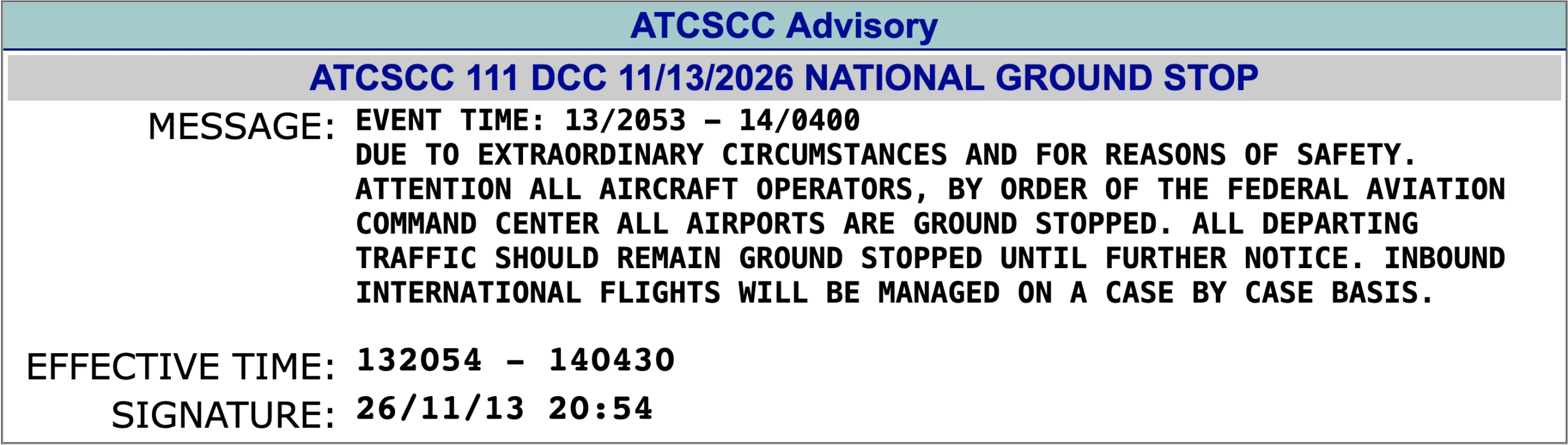
The FAA’s own account came two days later. It says legacy equipment became unstable when data began flooding its network at a rate of 1,000 connection attempts every four to five seconds. Instability hit 17 of its 22 air route traffic control centers. L3Harris had deployed a new router at El Dorado, Arkansas, which Aviation Week reported was a Juniper unit replacing an older Cisco one. The FAA has paused installs of that router. HPE, which owns Juniper, said the device “functioned as it was configured to by the installer.” The FAA hasn’t established a root cause.
AI came up on the FAA side too. The agency recently expanded a new AI air traffic tool called SMART, and its vendor, Air Space Intelligence, said its software didn’t cause the ground stop, NBC News reported. Administrator Bryan Bedford said there was zero evidence of anything nefarious or AI-related.
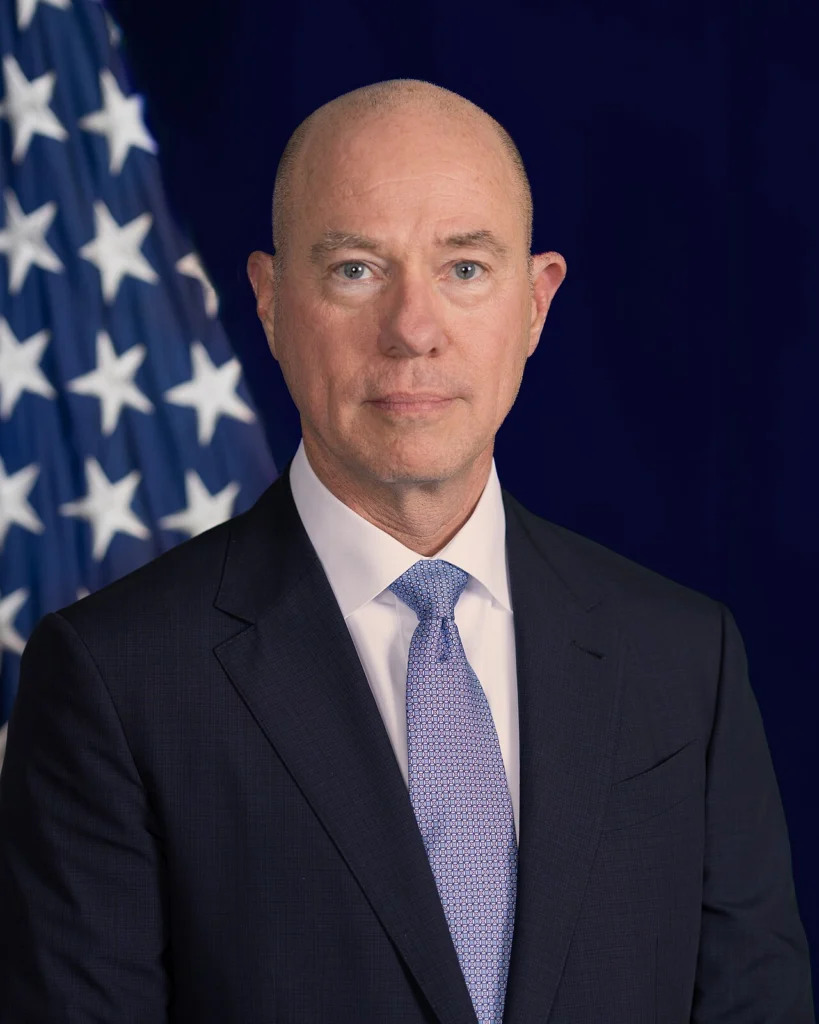

Operators canceled about 12,462 flights, though not all trace directly to the ground stop. Bernstein estimated the pretax hit to American, Delta, United and Southwest at $345 million.
12,462
flights canceled by operators, including 9,082 by major airlines
17 of 22
air route traffic control centers hit by instability
$345M
Bernstein estimate of the pretax hit to four big airlines
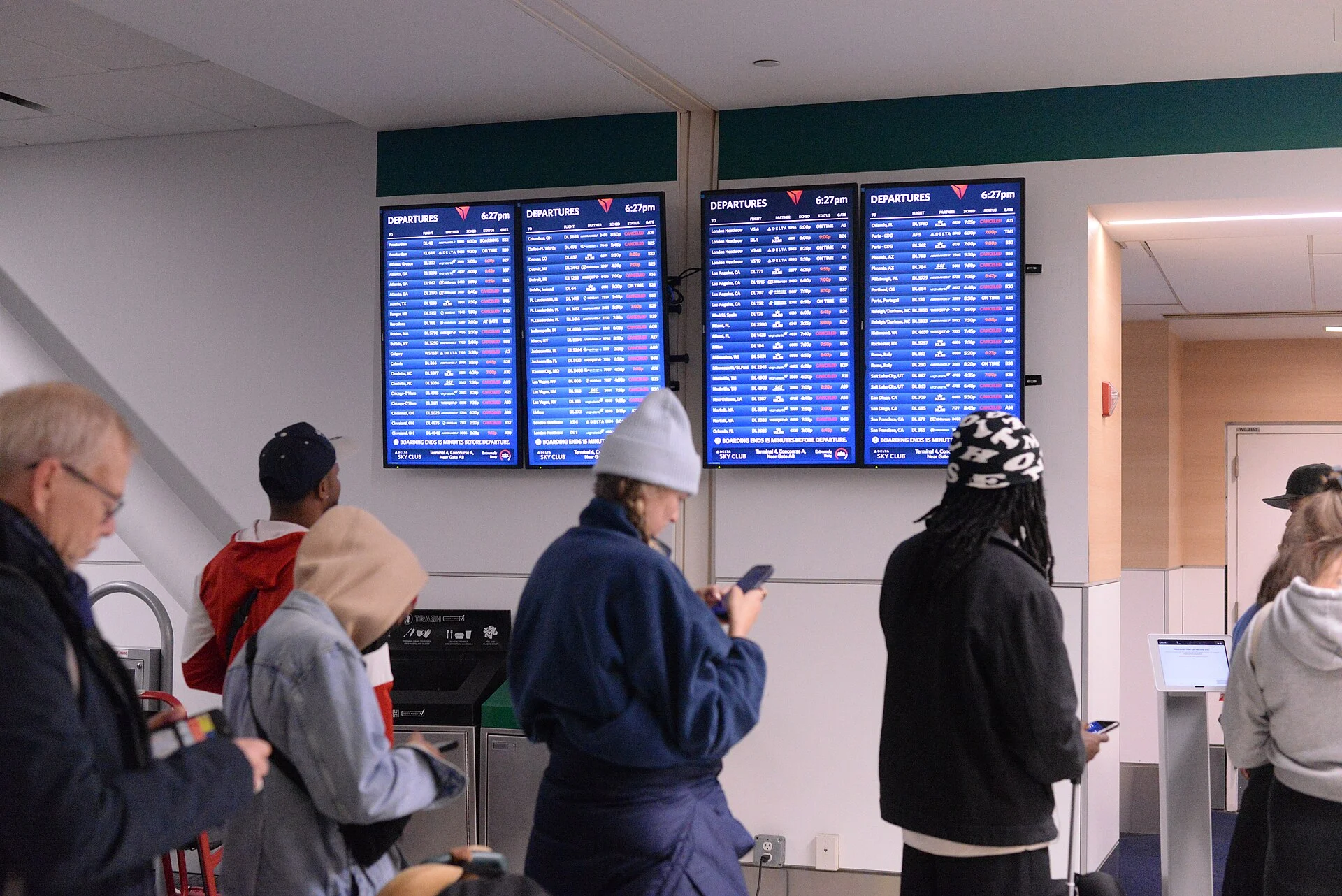
Travellers and pilots followed it as it happened. A thread on Reddit’s r/aviation went up as the stop was ordered, and a North Carolina station posted the all-clear on TikTok that night. Both are embedded as their authors posted them; we haven’t checked what the comments claim.
Chase, Apple and the NSA
Chase said its November 16 disruption came from “a temporary issue related to a software bug in on-premise hardware systems.” Customers at other banks and Zelle users were affected too, and normal operations returned that evening.
Apple said on November 17 that “an internal update caused some outages this morning” across its services, including Apple Pay and iCloud. By early evening all systems were working normally, according to its status page.
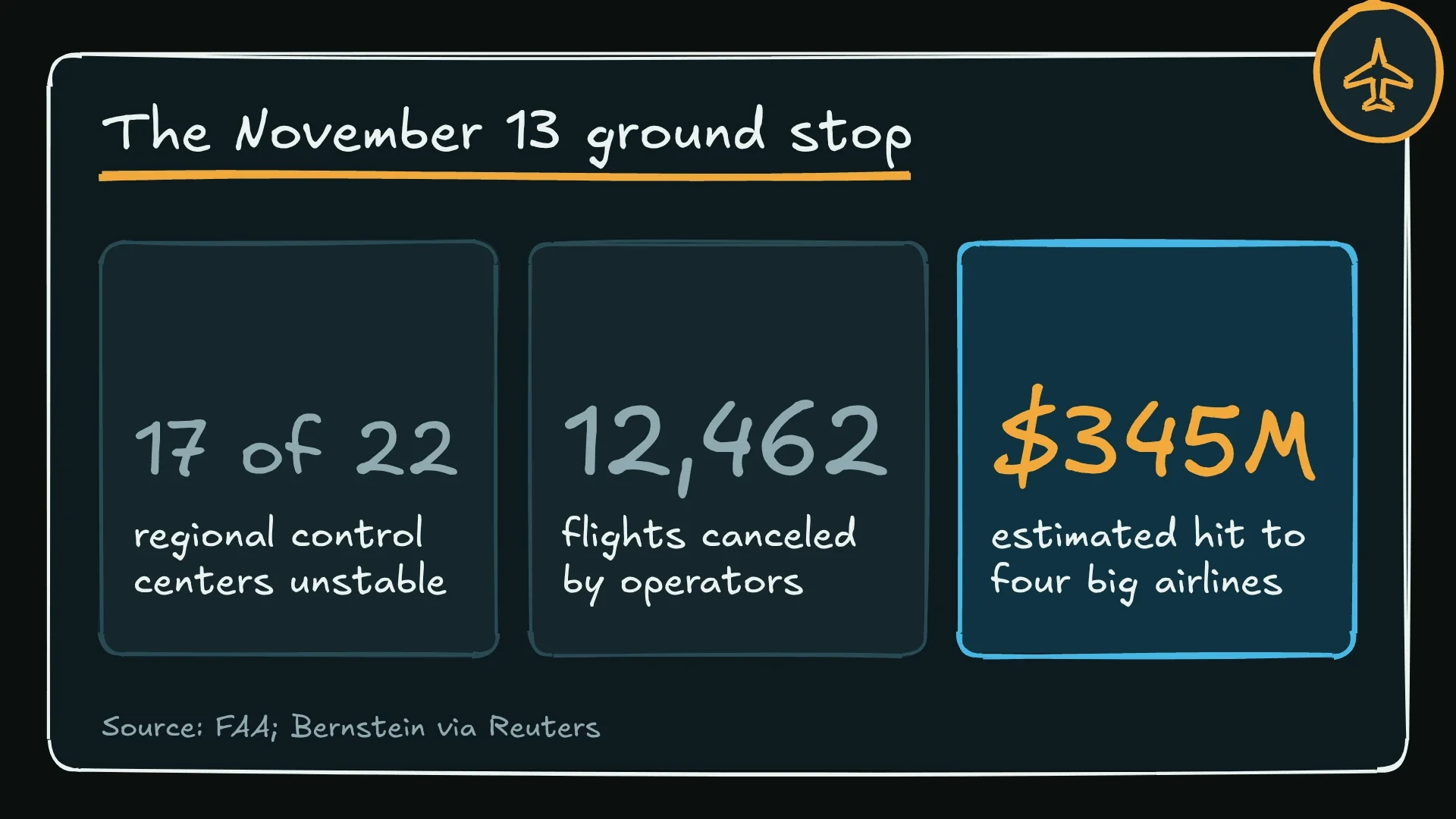
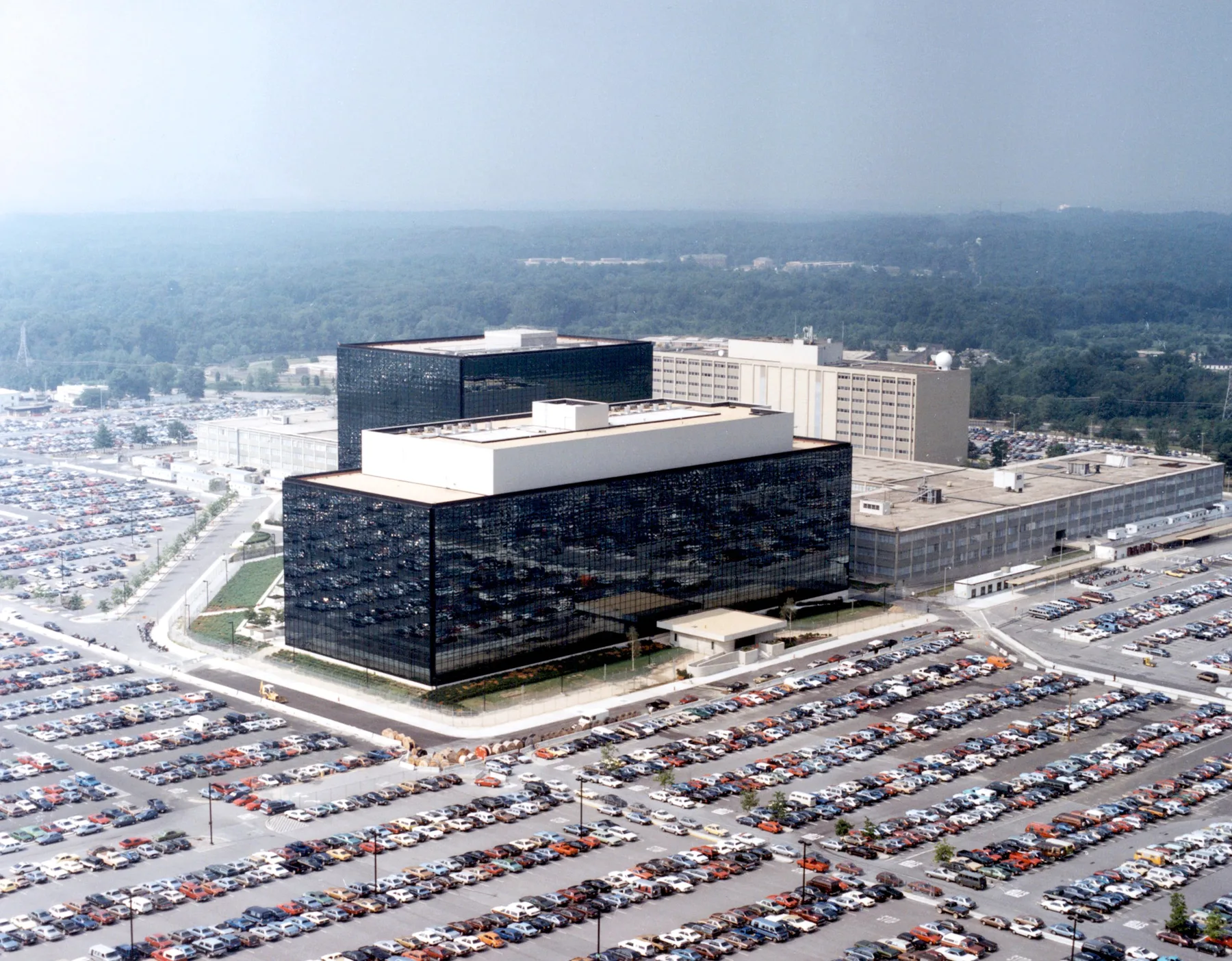
The NSA called its November 17 outage “temporary degradation during scheduled routine maintenance” and said mission-critical capabilities stayed fully operational. Clayton went further on Fox Business, saying patching after a PHP vulnerability “has caused some of these systems to not come back up when you patch them as expected. That is what has happened at the NSA today.” He said institutions are “taking their systems down” to install fixes, and that officials see no sign of a coordinated cyberattack or state-sponsored activity.
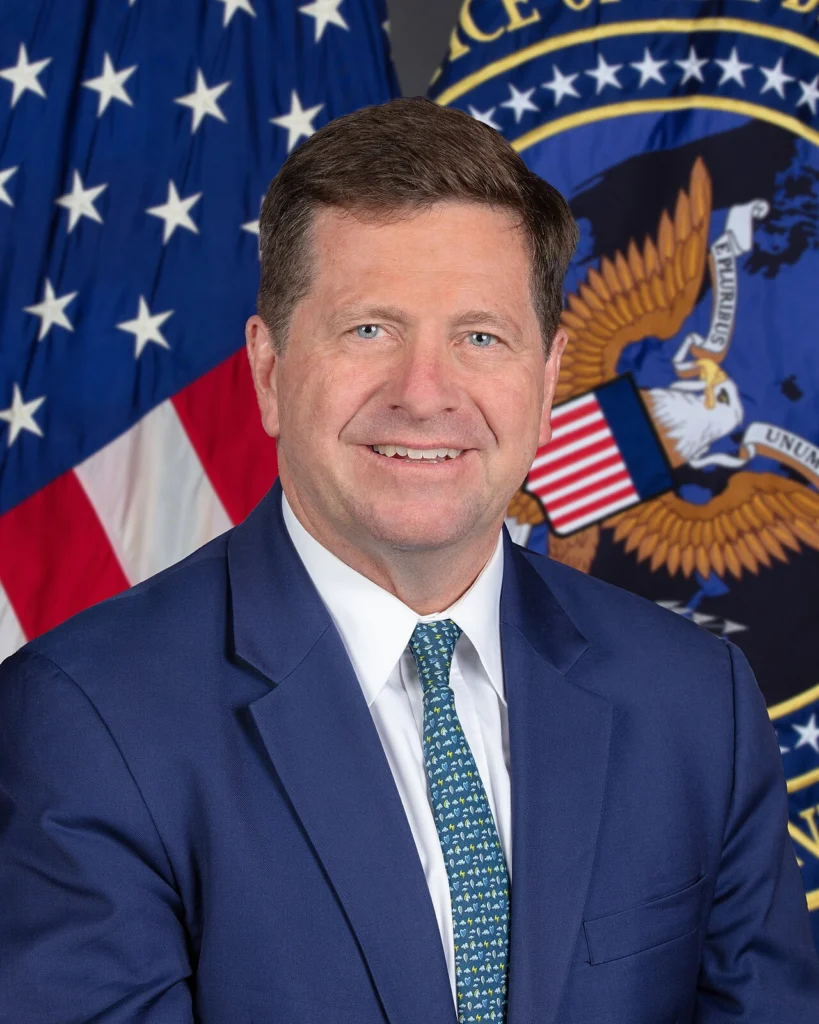
Some systems have to hand off to other systems, and those handoffs are not coming as expected.
Jay Clayton, Director of National Intelligence, on Fox Business, November 17
Why officials point at patching
“AI is making it possible to identify vulnerabilities across enormous numbers of systems at unprecedented speed, creating enormous pressure on companies and government agencies to patch those vulnerabilities immediately, often all at once, putting tremendous strain on systems that weren’t built to handle that pace of change.”
Sen. Mark Warner, vice chair of the Senate intelligence committee, in a post on X, November 17
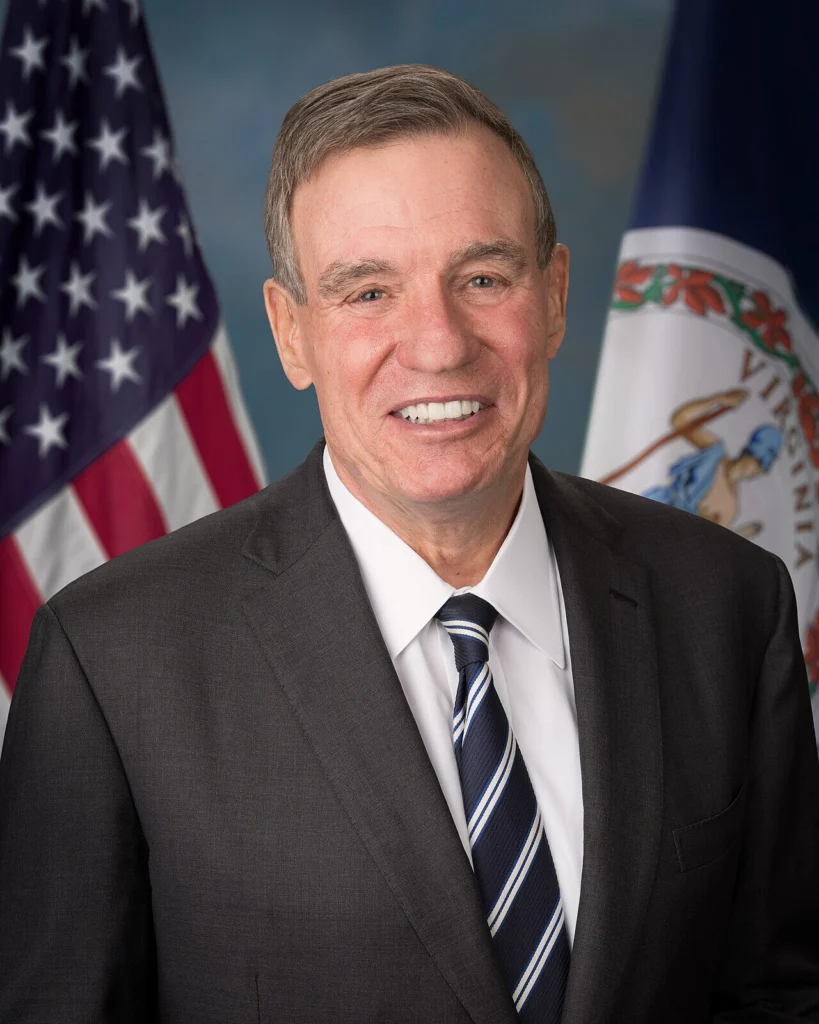
Warner’s post said there’s no indication of a cyberattack, foreign interference or coordinated effort. “What appears to be happening instead is a consequence of how quickly artificial intelligence is changing the cybersecurity landscape,” he wrote. He added that the evidence so far “points toward legitimate efforts to secure our systems, not malicious activity.”
He made the point again in a short video the next day: “The recent widespread outages should be a wake-up call. AI is moving faster than our ability to manage its risks.”
Rep. Jim Himes, the top Democrat on the House intelligence committee, said more frequent outages are possible but called the patching pace “vital to shore up the security of all IT infrastructure.” The Financial Times quoted Anne Neuberger, a former deputy national security adviser and former NSA official: “In some cases, applying multiple patches will lead to outages. I suspect that is what occurred here.” Reuters quoted her, now a general partner at Andreessen Horowitz, saying: “When patching at scale, some can cause problems.”
The patch load
The numbers behind the pressure come from two trackers, and they don’t match exactly. Both show the same jump.
| Period | Security fixes | Counted by |
|---|---|---|
| A year ago, monthly average | About 100 | Krebs on Security |
| October 2026 | 1,411 | BleepingComputer |
| October 2026 | More than 1,400 | Krebs on Security |
| November 2026 | 1,235 | BleepingComputer |
| November 2026 | Nearly 1,100 | Krebs on Security |
PHP and Java
Clayton pointed to PHP, and the Senate has too. Sens. Maria Cantwell and Mike Rounds wrote to Clayton on November 17 that “AI uncovered decades-old serious vulnerabilities in PHP, software used by millions of websites, leading to governments and companies shutting down their websites to patch the flaws.” Their letter says “our defenses are not keeping pace.”
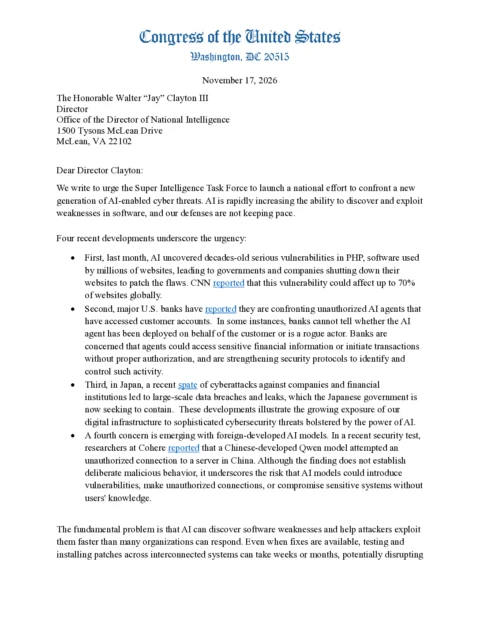 Cantwell and Rounds letter to Jay Clayton, November 17, 2026 (PDF, Senate Commerce Committee)
PDF 3 pages 247 KB commerce.senate.gov
DownloadWhat is PHP2Shell?
PHP2Shell is the name for two critical flaws in PHP, CVE-2026-109618 and CVE-2026-109619. Calif, OpenAI and Wiz found them. Either can let an attacker run code on a web server without logging in. The PHP team shipped emergency patches on October 21 in versions 8.5.12, 8.4.27, 8.3.36 and 8.2.35. VirusTotal estimated more than 5.1 million PHP hosts were exposed online, and Cloudflare’s chief technology officer said the company was already seeing early attacks before the patches landed. The UK’s National Cyber Security Centre told organizations to update or take PHP systems offline until they could.
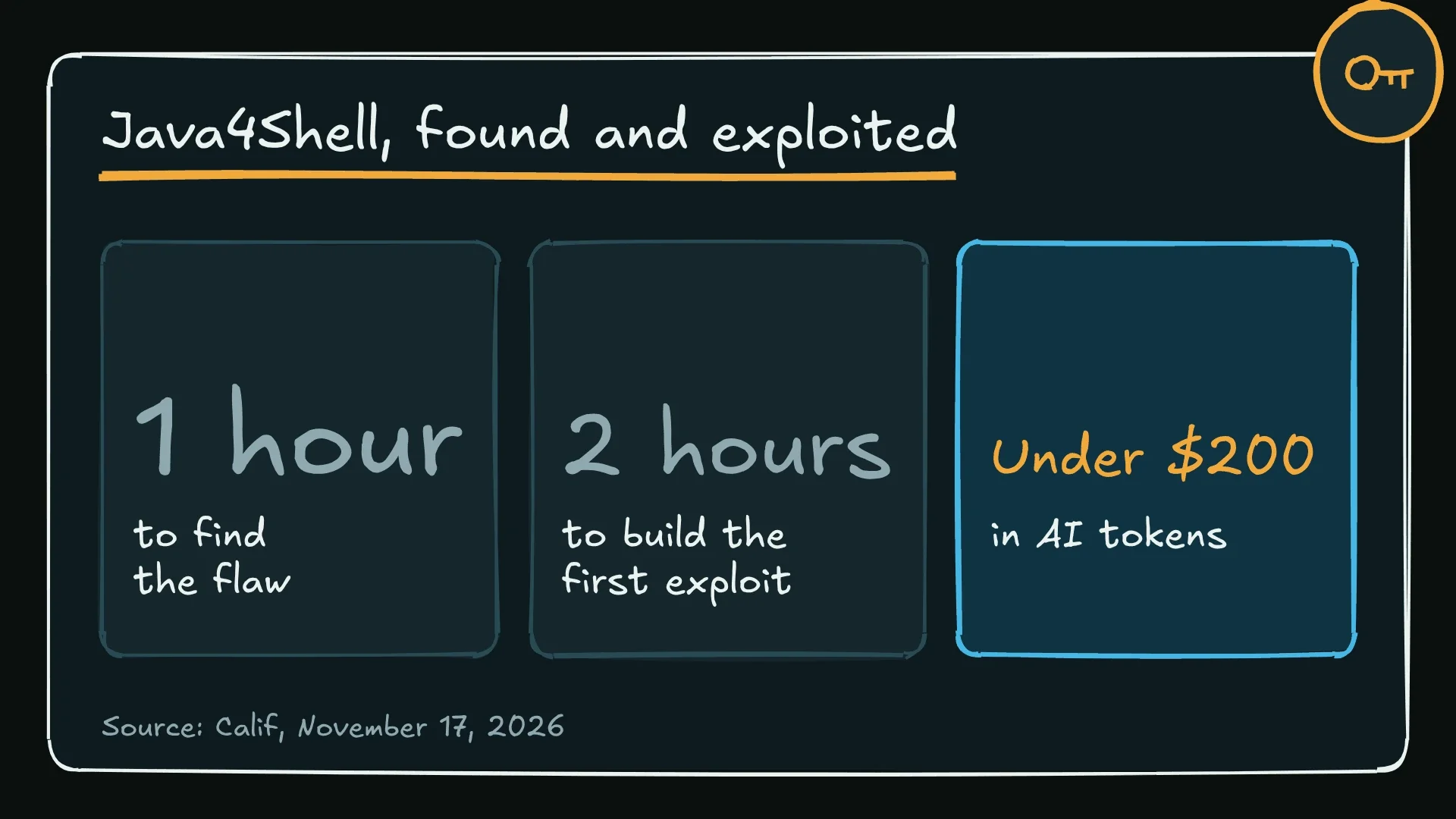
A second flaw followed. On November 17, the security firm Calif disclosed Java4Shell, a critical memory flaw in OpenJDK’s Base64 decoder tracked as CVE-2026-114938. Calif’s Quang Luong took an hour to find it and two more hours to build the first working exploit, for under $200 in AI tokens. Calif says Java runs at 90% of Fortune 500 companies. No universal exploit exists, and each target needs tailored steps. Oracle shipped a patch the same day.
Attackers are speeding up too. An FBI alert on November 13 about an AI hacking framework called ARTEX said intrusions can go from first target to privileged access in under three hours.
Congress is reacting. On November 18, Reps. Morgan Luttrell and Ritchie Torres introduced the ROOT CAUSE Act, which would create a National Cyber and AI Investigations Board inside CISA to examine significant incidents and recommend fixes. The board would have no regulatory or enforcement authority.
What the evidence doesn’t show
Not every outage has a patching story. Bloomberg reported that Rapid7’s Christiaan Beek sees no public evidence that rushed updates caused these outages. “Complex systems fail in boring ways far more often than because of an adversary,” he said.
Microsoft, the FAA and Chase name causes that don’t involve AI-found flaws, and the NSA’s own account doesn’t either. Neuberger said she suspects patching, which isn’t the same as knowing. Clayton’s account of the NSA is the only one from a sitting official that ties an outage to patching.
Nor are all AI-found flaws being exploited. VulnCheck counted 442 CVEs credited to Anthropic’s models in seven months, about 0.5% of the CVEs published this year, and only two are being exploited in the wild. PHP2Shell was different: Cloudflare saw attacks before the patches shipped.
What IT teams can do
CISA’s Java alert and Microsoft’s own report point to the same habits. None of them needs an AI to be involved.
- Find every Java runtime, including ones bundled inside other software. CISA says to do this first.
- Patch internet-facing systems first, and use compensating controls if patching has to wait.
- Check PHP versions. The fixed releases are 8.5.12, 8.4.27, 8.3.36 and 8.2.35, and PHP 7 or earlier should move to a fixed release.
- Test patches on hardware that matches production. Microsoft’s load tests used weaker machines, and the bug only showed on newer ones.
- Roll out in stages, and keep spare capacity during failovers. Microsoft had nearly 14% of gateway capacity out when the bug triggered.
| PHP branch | Fixed release |
|---|---|
| 8.5 | 8.5.12 |
| 8.4 | 8.4.27 |
| 8.3 | 8.3.36 |
| 8.2 | 8.2.35 |
# Linux and macOS: list Java and PHP binaries (a starting point, not a full audit)
find / -type f \( -name java -o -name php \) 2>/dev/null

# Windows PowerShell: find Java runtimes
Get-ChildItem -Path C:\ -Filter java.exe -Recurse -ErrorAction SilentlyContinue | Select-Object FullNameRelated on GREEENER.ai:

Three of the graphics in this piece, side by side:
Looking ahead, Microsoft’s final report on the 365 outage was due November 20 and we haven’t seen it yet, the FAA still has no root cause, and Microsoft’s next Patch Tuesday lands December 8. For IT teams in New Zealand and Australia, the Microsoft failure carries the practical lesson: test patches on hardware that matches production, stage rollouts, and keep spare capacity for failovers. The Java and PHP alerts apply here too. Find every runtime, including those bundled inside other software, and patch internet-facing systems first.
Sources
- Financial Times, US tech outages blamed on rush to fix bugs found by AI (November 18, 2026)
- Reuters, Patching in AI age may underlie some major tech outages, experts say (November 18, 2026)
- Reuters, As criticism mounts, Trump administration says tech outages not coordinated
- Krebs on Security, Microsoft patches more than 1,400 security flaws (October 2026)
- Krebs on Security, Microsoft fixes nearly 1,100 security vulnerabilities (November 2026)
- BleepingComputer, Microsoft October 2026 Patch Tuesday fixes 1,411 flaws
- BleepingComputer, Microsoft November 2026 Patch Tuesday fixes 1,235 flaws
- Microsoft 365 Status on X, statement of November 13, 2026
- Charles Lamanna on X, abridged post-incident report (November 16, 2026)
- Microsoft, Preliminary Post Incident Report for Microsoft 365 (November 15, 2026), copy hosted by 365Fanatic
- BleepingComputer, Microsoft says months-old bug caused global Microsoft 365 outage
- The Next Web, Microsoft blames its Microsoft 365 outage on a dormant July update defect
- BBC News, Microsoft says services fully restored after day-long global outage
- Associated Press on YouTube, Microsoft outage hits companies and governments worldwide
- FAA, Nationwide ground stop questions and answers
- Aviation Week, FAA identifies two sites that led to ground stop
- Network World, FAA halts router installs
- CBS News, FAA ground stop: what we know
- CNN on YouTube, FAA orders nationwide ground stop due to extraordinary circumstances
- NBC News on YouTube, AI startup says nationwide ground stop was not caused by its software
- Reuters via The Detroit News, Top four airlines face estimated $345 million hit from FAA ground stop
- CBS News, Bank online service outages
- The New York Times, Apple addresses outages affecting Apple Pay, iCloud and apps
- NSA, Statement on network issues (November 17, 2026)
- Fox Business, Jay Clayton addresses concerns amid widespread tech outages
- CBS News, National Security Agency network outage linked to software vulnerability
- Sen. Mark Warner on X (November 17, 2026)
- Nicole Perlroth on X (November 17, 2026)
- CyberScoop, Tech outages and AI vulnerability patching
- Sens. Cantwell and Rounds, letter to Jay Clayton (November 17, 2026)
- House Homeland Security Committee, Republicans lead legislation to strengthen DHS’s cybersecurity mission (November 18, 2026)
- Nextgov/FCW, Bipartisan bill would create cyber and AI review board amid series of tech outages
- Calif, Java4Shell
- CISA Cyber on X (November 17, 2026)
- CISA, Critical Java vulnerability requires immediate patching (November 17, 2026)
- CISA, Critical vulnerabilities in PHP require immediate patching (October 21, 2026)
- BleepingComputer, PHP ships emergency patches for critical PHP2Shell flaws
- BleepingComputer, FBI warns ARTEX AI hacking tool is powering global cyberattacks
- The Next Web, Banks and the NSA reportedly blame US outages on patches for AI-found flaws (cites Bloomberg for Rapid7’s Christiaan Beek)
- VulnCheck, Glasswing November update (November 9, 2026)
- Wikimedia Commons, NSA headquarters photo (National Security Agency, public domain)
- Wikimedia Commons, Washington ARTCC photo (FAA, public domain)
- Wikimedia Commons, FAA advisory ordering the ground stop (FAA, public domain)
- Wikimedia Commons, White House video of the Mullin and Duffy briefing (public domain)
- Wikimedia Commons, audio of Sean Duffy at the briefing (public domain)
- Wikimedia Commons, JFK during the ground stop (Sashimi-b, CC BY-SA 4.0)
- Wikimedia Commons, Mark Warner official portrait (US Senate, public domain)
- Wikimedia Commons, Jay Clayton official portrait (ODNI, public domain)
- Wikimedia Commons, Bryan Bedford official portrait (public domain)
- Wikimedia Commons, Sean Duffy official portrait (public domain)
- The Associated Press on Bluesky (November 19, 2026)
- Sen. Mark Warner on Bluesky (November 18, 2026)
- CyberWire Daily, The sky is falling, but is it hacked? (November 18, 2026)
- OpenStreetMap, El Dorado, Arkansas