For years, the cost of plugging giant data centers into the power grid has been spread across everybody’s bills. Late Thursday, the US Senate voted to make the companies cover more of it.
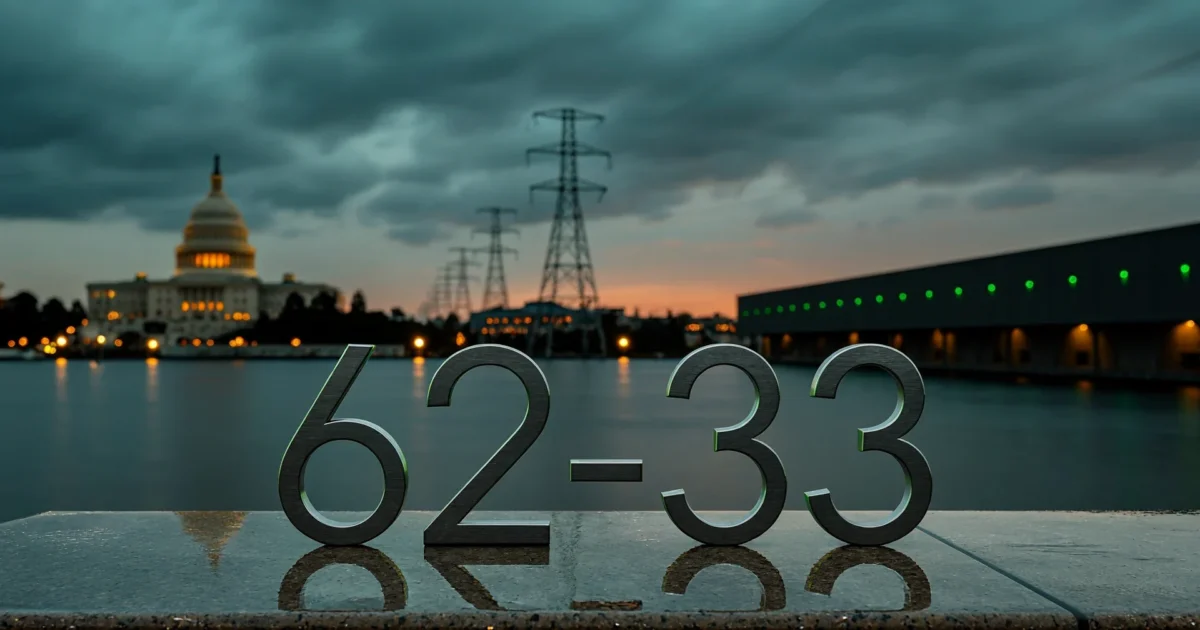
At 10:02 p.m. in Washington on November 19, 2026, senators passed the Bipartisan American Affordability and Jobs Act by 62 votes to 33. Grid Strategies, a consulting firm, estimates its data center rule would add about US$35 billion to what data centers pay for grid lines over ten years. The bill now goes to the House. It isn’t law yet.
What data centers would pay
Rhodium Group, a research firm, counts the bill at 417 pages. Most of it speeds up federal approvals for power lines, wind and solar farms, mines and drilling. One section changes who pays for the grid.
Within 90 days, the Federal Energy Regulatory Commission (FERC) would have to revise its transmission pricing policy, according to the Bipartisan Policy Center. The current policy reduces what data centers pay to connect to the grid. Under what is commonly called “And Pricing,” new and existing data centers would pay both their share of the existing system and a reasonable estimate of the added cost they trigger.
Rhodium says the bill also prohibits charging other customers for data center costs.
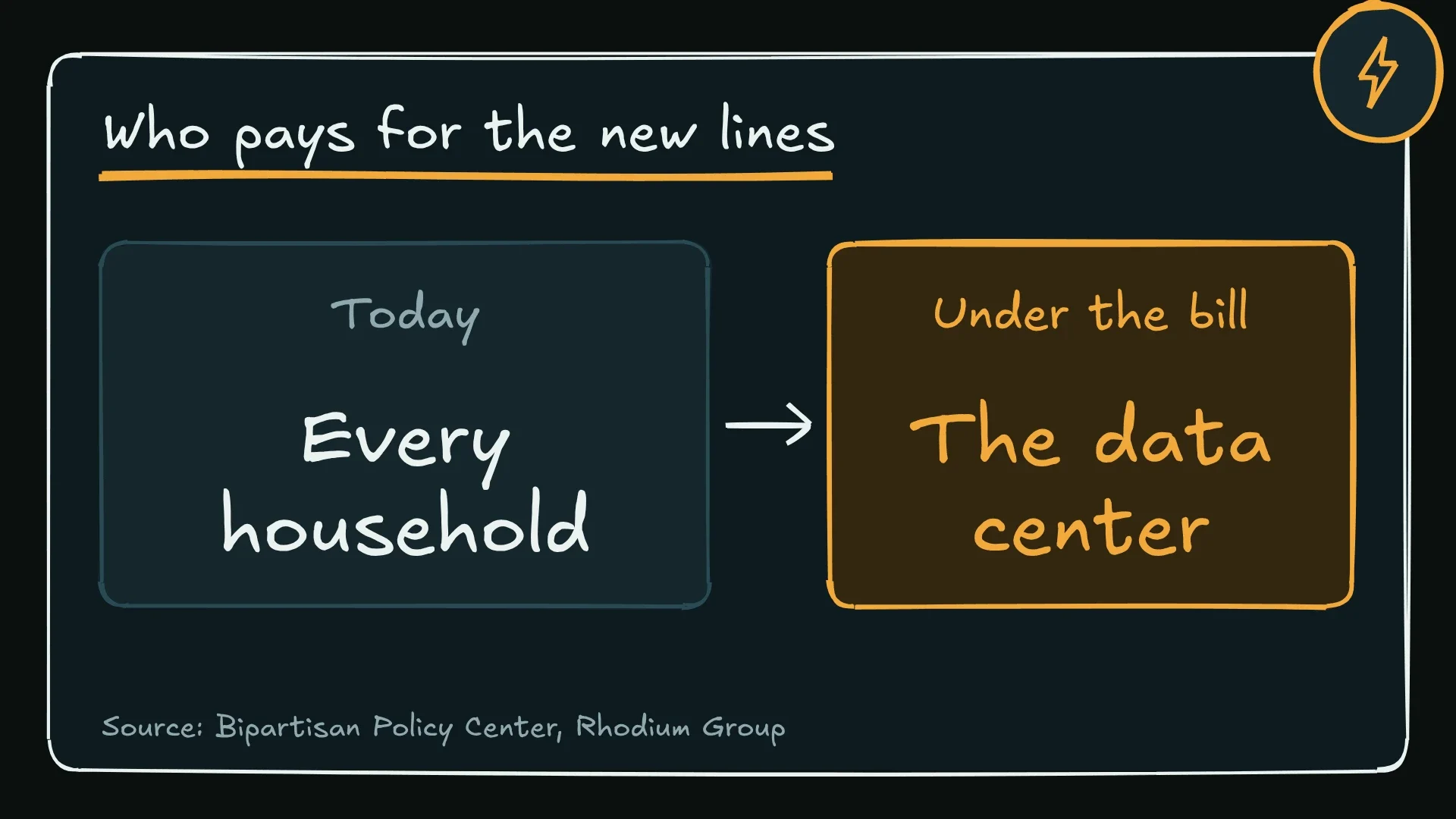
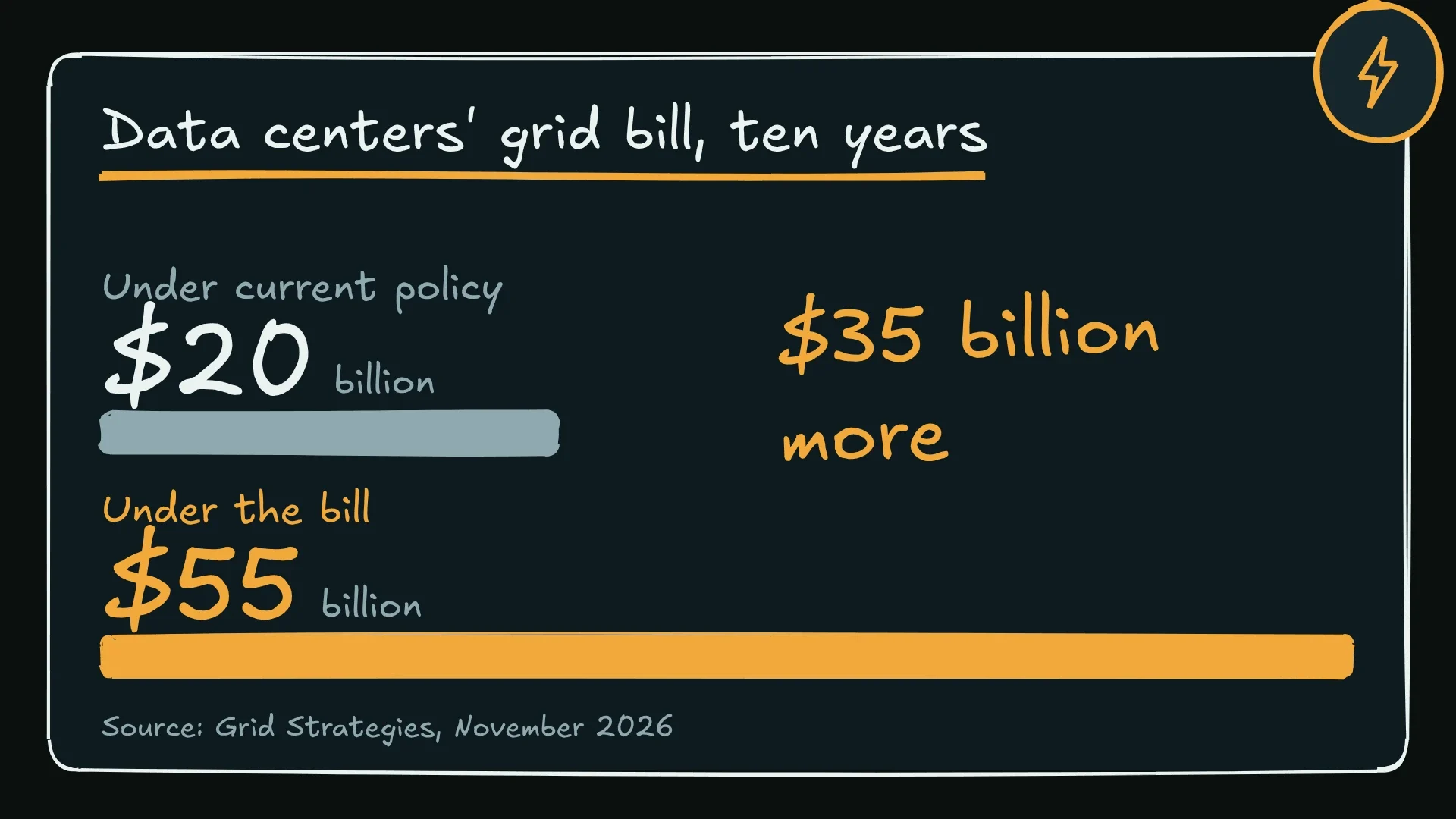
Grid Strategies estimates data centers would pay about US$55 billion over ten years for the high-voltage lines that carry their power. That’s about US$35 billion more than under today’s rules. The estimate leaves out Texas’s main grid.
What it does to prices
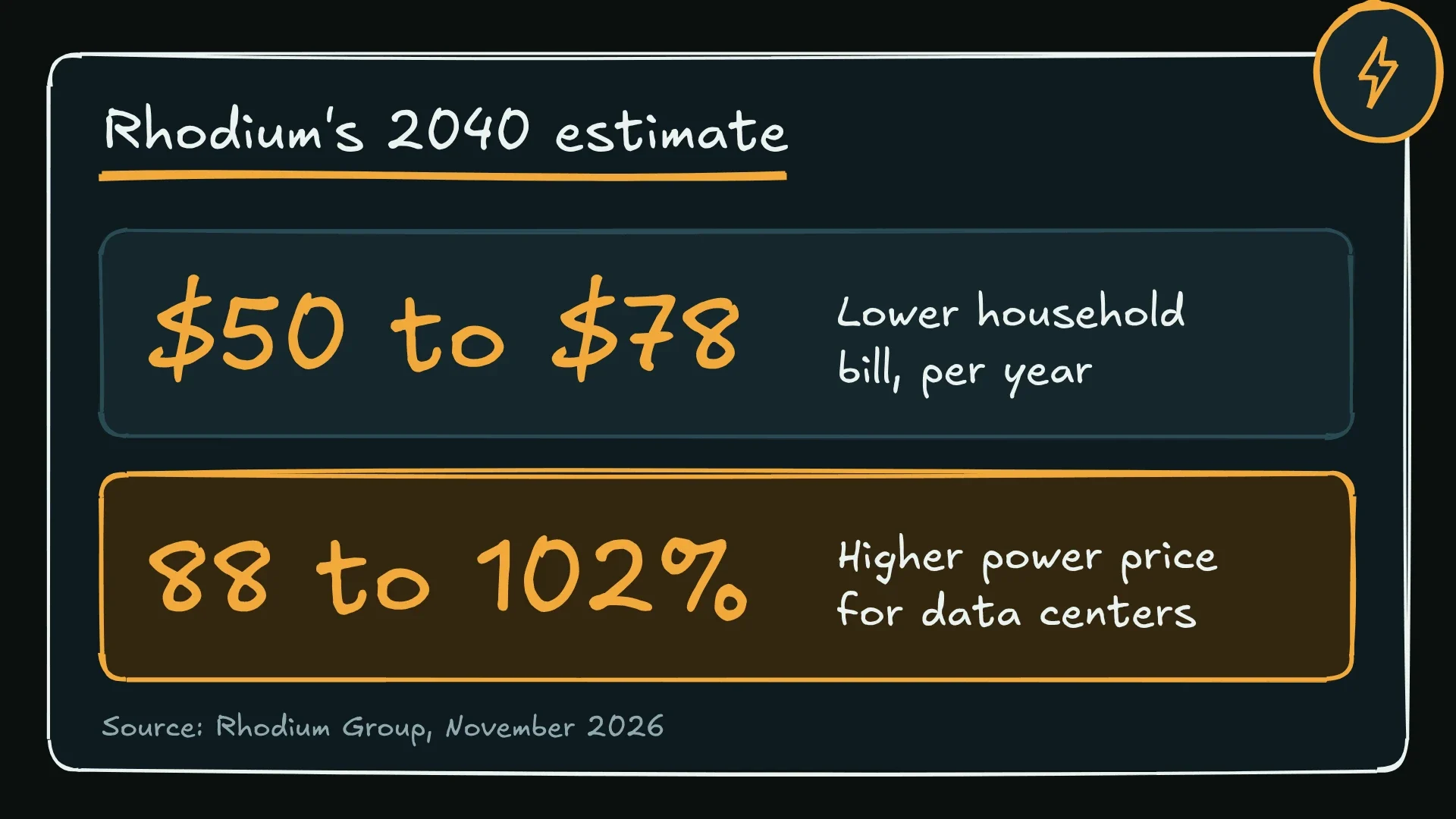
Rhodium modeled the bill as introduced on September 30. It projects household power bills US$50 to US$78 a year lower in 2040 than without it, and prices 0.5 to 1 cent per kilowatt-hour lower, a 3% to 5% cut. Part comes from faster approvals, which let cheaper power reach the grid. Part comes from the data center rule.
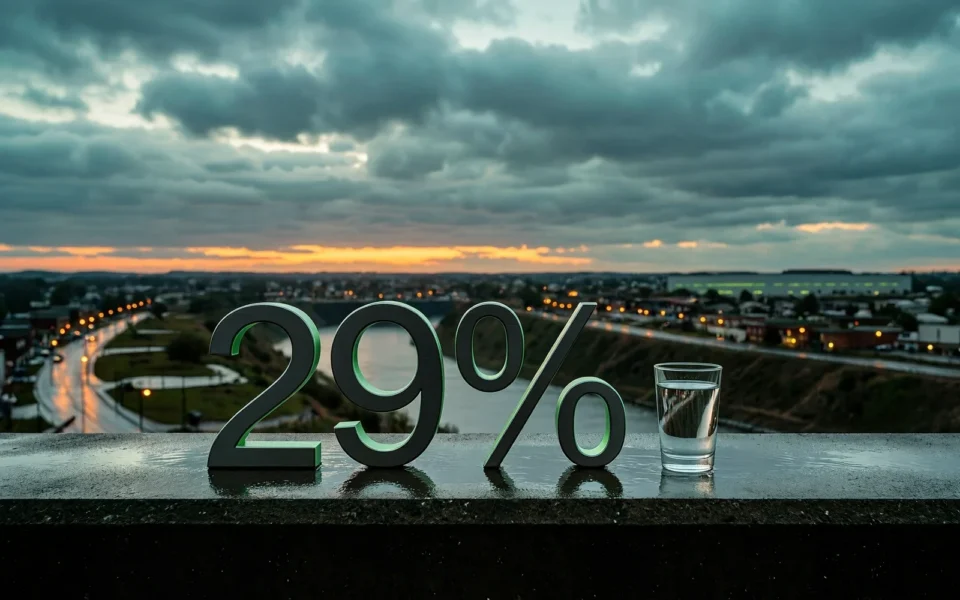
The rule costs data centers. If fully implemented, Rhodium estimates, they would pay 88% to 102% more for grid power. Its main case has data centers using 17% of US electricity demand in 2040.
In October we reported that data center demand added almost 10% to wholesale power costs on America’s largest grid.
“They’re tired of watching their electricity bills go up while some of the wealthiest corporations in the world get a free ride.”
Senator Martin Heinrich, Democrat of New Mexico and one of the bill’s authors, said that in a statement on November 19, 2026.
What towns would learn
The bill also asks for data. The Energy Information Administration would have to update its annual utility survey, Form 861, to report electricity use by data centers, including those used for AI, cloud computing and cryptocurrency mining.
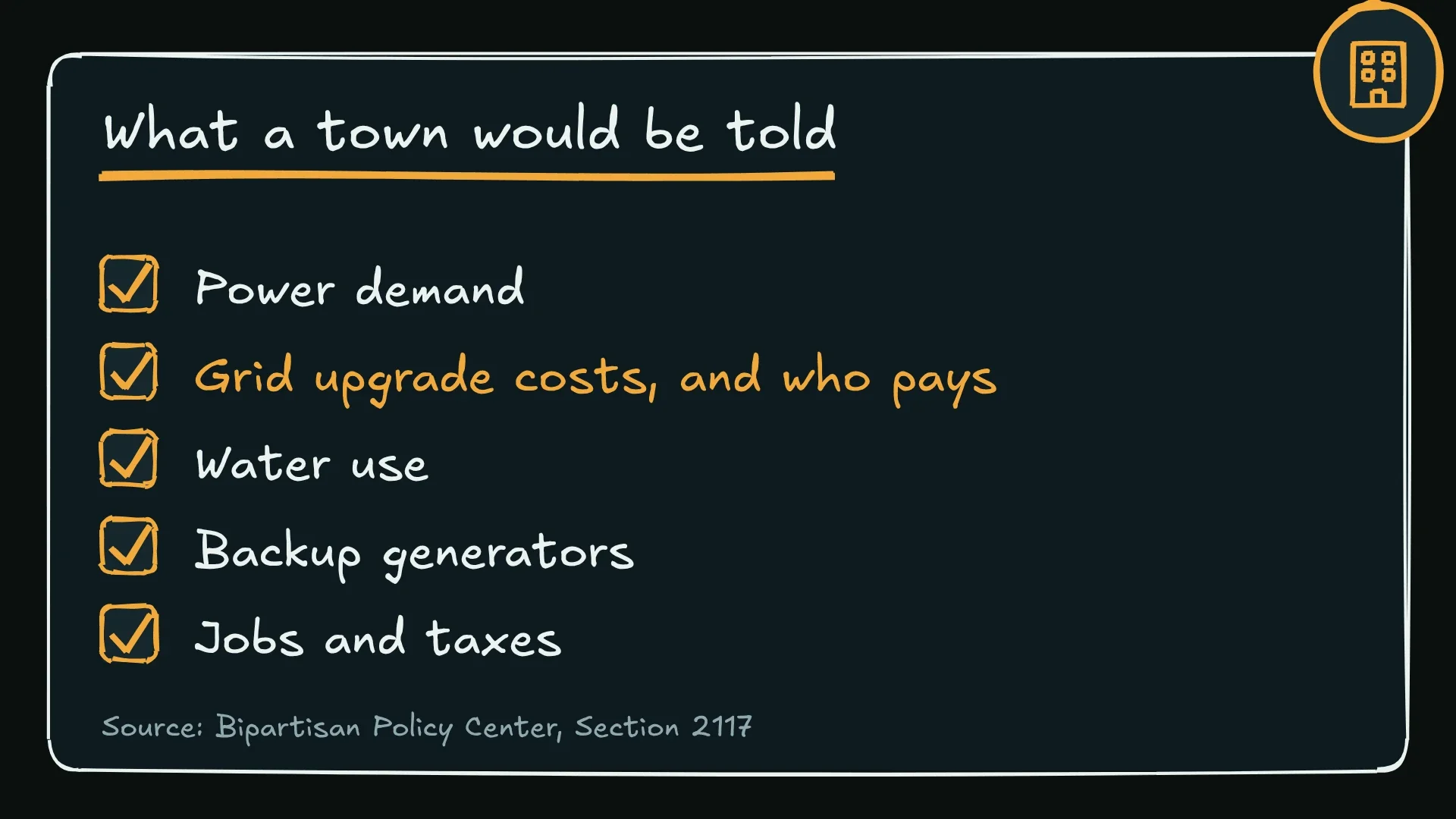
Within 180 days, the Energy Department would have to create a Data Center Community Assistance Program, the Bipartisan Policy Center says. On request, it would give state, local and tribal governments objective information on a proposed data center’s electricity demand, grid upgrade costs and who pays for them, water use, backup generation, jobs and tax effects. The section doesn’t authorize specific funding.
The fix that never got a vote
On Thursday afternoon, the bill’s authors offered a late change. Roll Call reports it was written so that AI “hyperscalers,” the largest data center operators, couldn’t “escape through a loophole.”
The original wording exempted internet and telecommunications providers’ facilities. Roll Call says it was broad enough that its cloud storage and other “information services” language could benefit data centers.
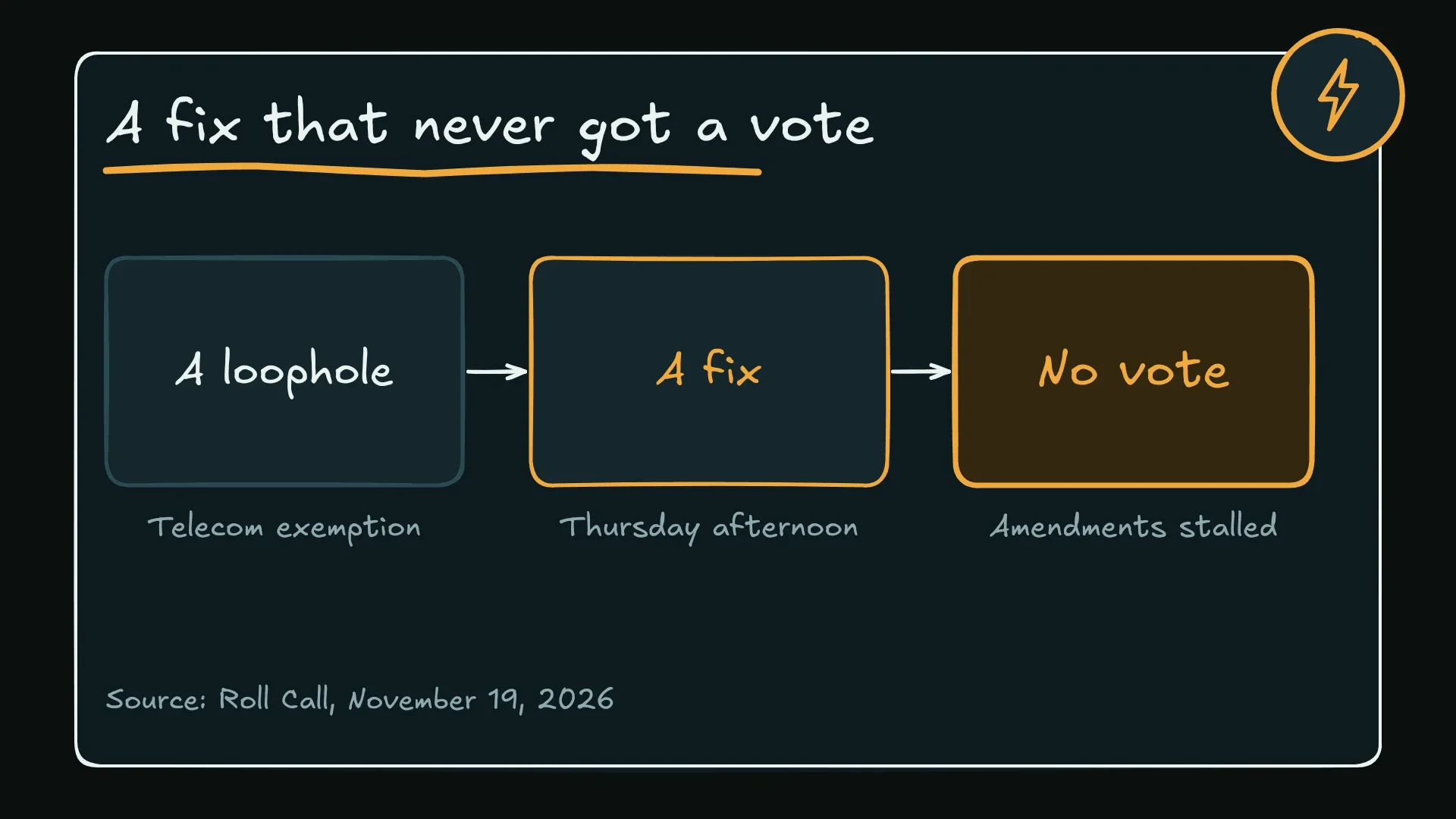
It never came to a vote. Senators couldn’t agree on amendments, so they took up none. Oregon Democrats Ron Wyden and Jeff Merkley wanted votes on keeping data centers off federal public land and out of the bill’s protection against canceled permits. Republicans wouldn’t allow some of those votes at a simple majority, and Merkley objected to adding the authors’ package alone.
Heinrich and Senator Sheldon Whitehouse resisted calls to delay the bill, Roll Call reports. They argued that President Donald Trump is in office for two more years and that any bill needs his support to be signed into law.
What the deal gives up
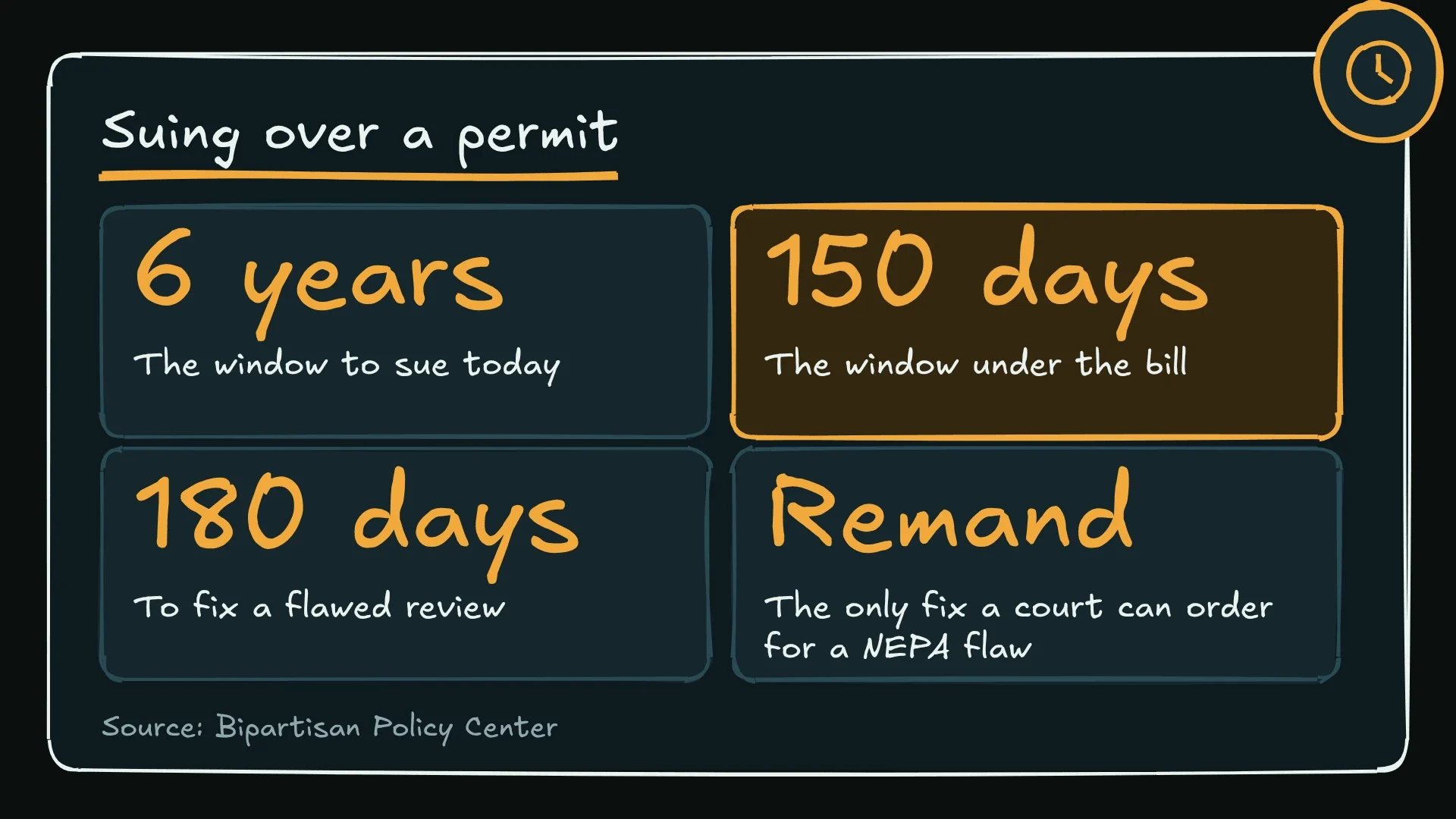
The deal also limits challenges to federal approvals. Today, the Bipartisan Policy Center says, plaintiffs get six years to sue and a court can void a permit. The bill would cut the window to 150 days for environmental lawsuits and limit standing to parties that commented and can show direct harm.
A court that finds a flaw in a review could send it back for correction, with no more than 180 days to fix it. It couldn’t void the approval or halt the project over that flaw.
Agencies would get clocks too. The lead agency would have to issue a record of decision within 45 days of a published environmental impact statement. Outstanding federal permits would be due within 90 days from agencies that took part in the review and 120 days from those that didn’t. Nuclear authorizations are exempt from those two clocks.
Gas gains too. Rhodium projects liquefied natural gas exports 8% to 15% higher than under current policy. It also projects US emissions 5 to 148 million metric tons lower in 2040, depending on the scenario, and 17 to 249 gigawatts more clean capacity through 2040.
Thirty-one Democrats and two Republicans, Josh Hawley of Missouri and Mike Rounds of South Dakota, voted no. Sierra Club Executive Director Loren Blackford called it “a deeply flawed bill that furthers the buildout of fossil fuels, strips away power from communities and Tribes.”
Looking ahead, the House takes up the bill after the Thanksgiving recess, and Speaker Mike Johnson has said it can pass. Watch whether the hyperscaler fix gets another chance. For readers in New Zealand and Australia, the idea to note is a rule on who pays, written before the next big data center connects.
Sources
- US Senate Daily Press, floor log for November 19, 2026
- Bipartisan Policy Center, Explaining the Senate Permitting Bill
- Roll Call
- Grid Strategies, Grid Funding from Data Centers in the Bipartisan American Affordability and Jobs Act
- Rhodium Group, Estimating the US Energy System Impacts of the Bipartisan American Affordability and Jobs Act
- Senator Martin Heinrich, statement of November 19, 2026
- Sierra Club, statement of November 19, 2026